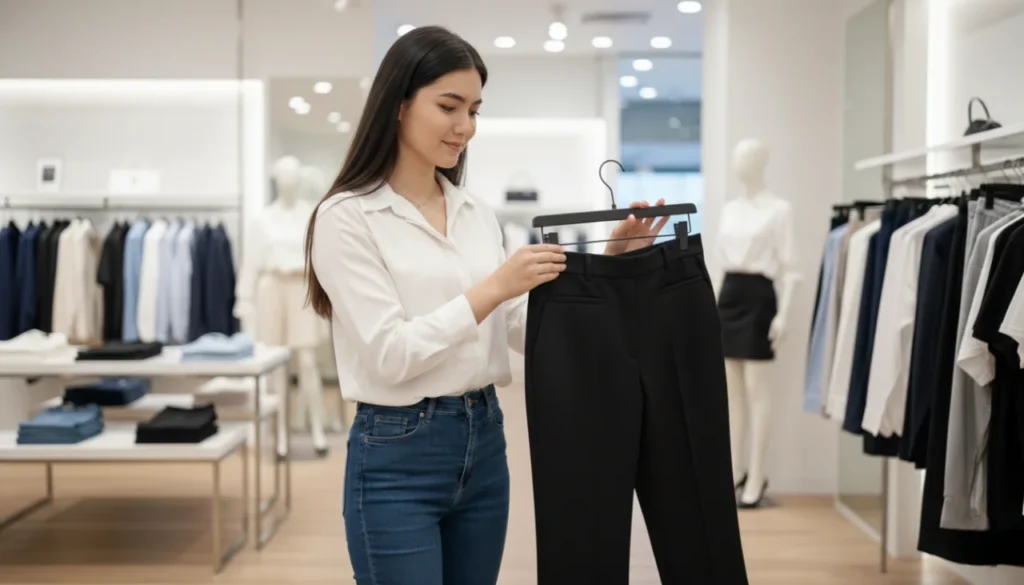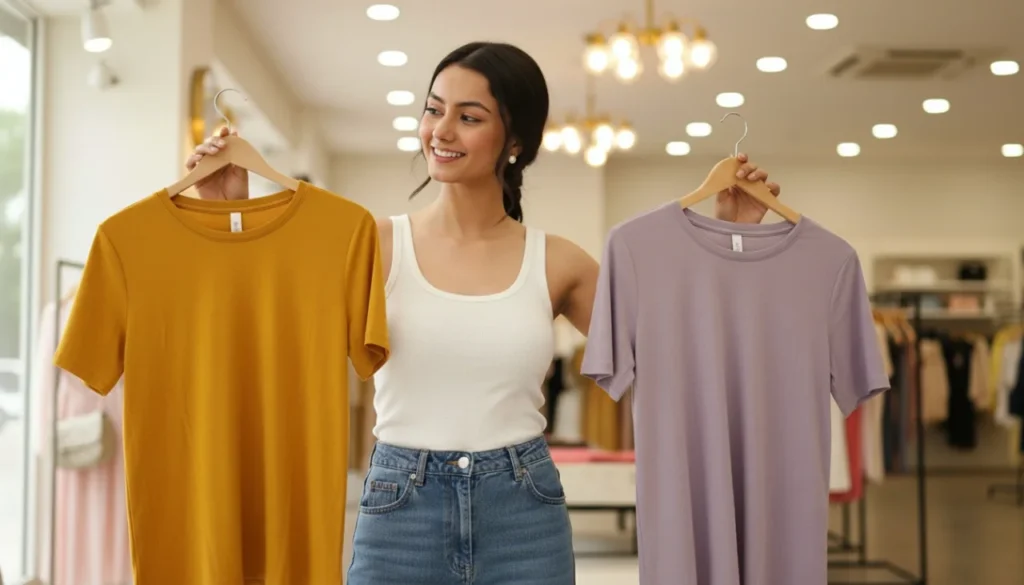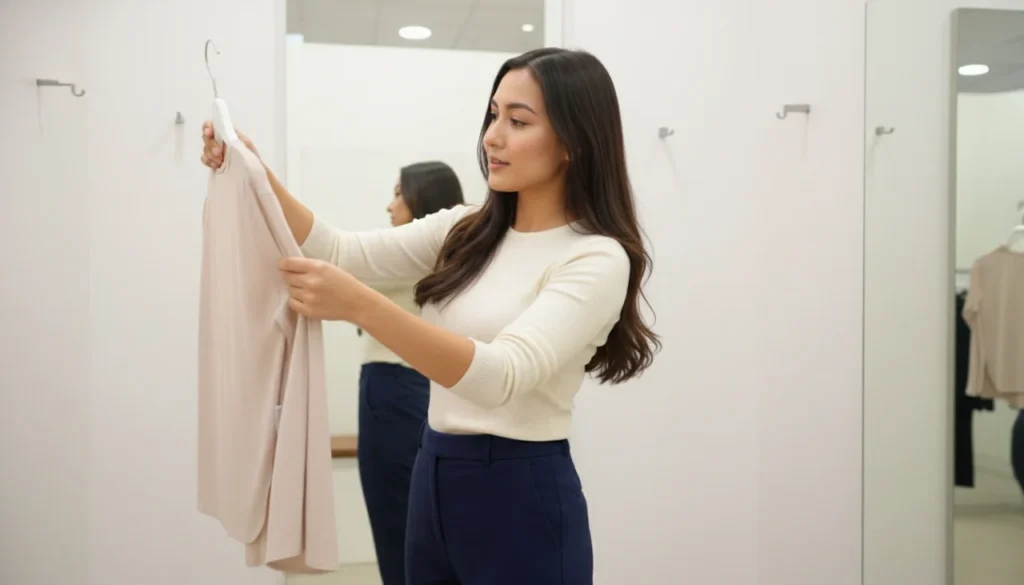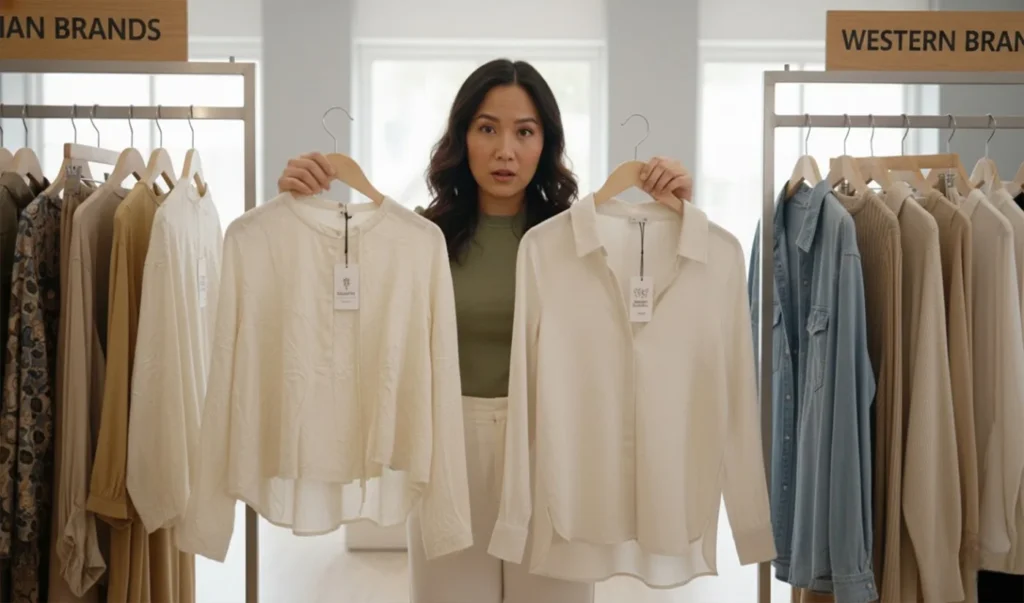
You’ve probably had this experience: a “medium” from one brand fits perfectly, but the same size from another feels completely different. You double-check the tag, wonder if you’ve changed shape, and still can’t figure out why it doesn’t fit right.
The truth is, clothing sizes were never designed to be universal. Each brand has its own idea of what “small,” “medium,” or “large” means — shaped by body types, regions, and even marketing strategies. It’s not your body that’s inconsistent; it’s the system.
In this article, we’ll decode the hidden sizing quirks that brands rarely talk about. You’ll learn how regional standards, fabric choices, and design cuts affect fit — and discover practical tips for finding clothes that truly work for you.
1. The Myth of “Standard” Sizing
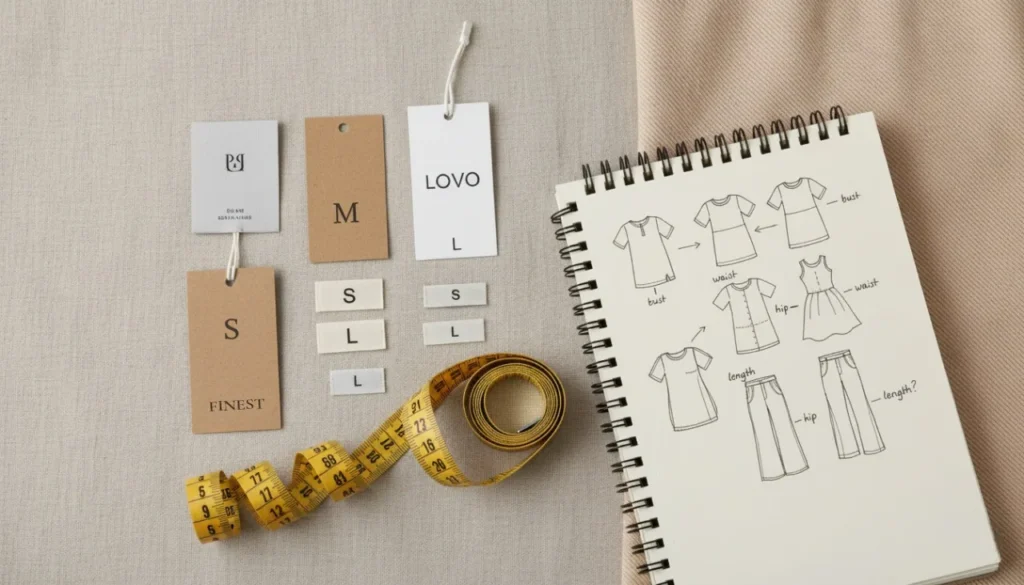
There’s no universal rule for what a “medium” or “large” should be. Every clothing brand uses its own reference called a fit model—a real person whose body measurements become the brand’s standard for creating size charts. Because these models differ from one brand to another, what counts as a “medium” in one label can be several inches smaller or larger in another.
This variation creates confusion for shoppers who expect consistency. A top that fits perfectly in one store might feel too tight or too loose in another, even if it’s labeled the same size. It’s a frustrating experience that can make you question your body rather than the system itself.
But sizing inconsistency is not your fault. When you start to see it as a manufacturing decision rather than a reflection of your shape, shopping becomes less stressful. Sizing is meant to be a guideline, not a judgment. Learning this helps you focus on fit and comfort instead of chasing numbers.
2. Regional Differences Matter
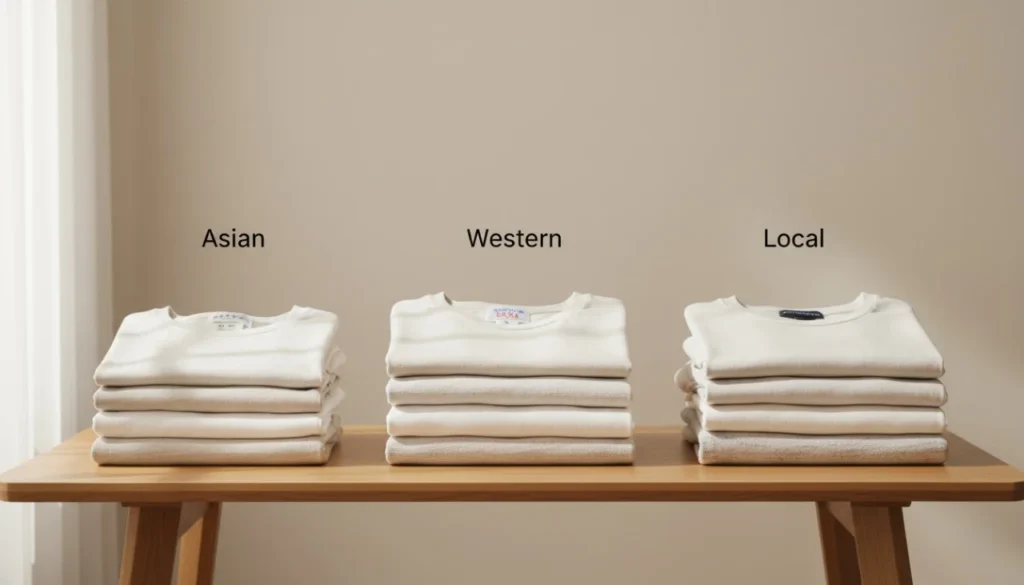
Where a brand comes from affects how its clothing fits. Asian brands, especially from Japan, Korea, and China, often design with more petite body frames in mind, which means their clothes tend to run smaller. In contrast, Western brands from the US or Europe cater to generally taller and broader body types, resulting in larger fits.
Local Philippine brands often fall somewhere in the middle, blending Asian proportions with Western influences. However, since many local labels source production from different countries, the sizing can still vary widely. Two brands that both call something a “medium” might still feel entirely different on you.
Knowing these regional differences helps you manage your expectations when shopping. If you’re browsing international labels in Manila malls or online stores, always take time to check the tag, the brand’s origin, and how the item fits your frame. It’s a small step that can save you from disappointment in the fitting room.
3. The Role of Fabric and Cut
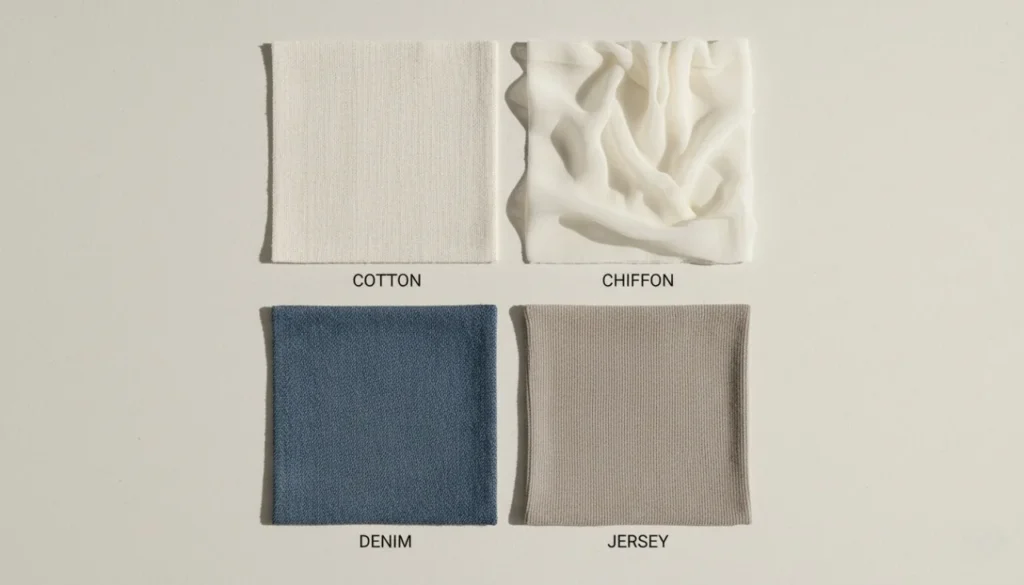
The size tag only tells part of the story. The fabric and cut of a garment can dramatically affect how it feels once worn. Stretchy materials like jersey, spandex, or knits tend to offer more flexibility and comfort, while structured fabrics like denim, twill, or woven cotton provide shape but little give.
Even within the same brand, two garments labeled “medium” can fit differently depending on their design. A chiffon blouse may feel snug around the shoulders, while a cotton tee of the same size may feel relaxed. The silhouette also matters; oversized styles are intentionally loose, while bodycon pieces are designed to cling more closely to your body.
By paying attention to these details, you can better anticipate how a piece will fit before even trying it on. Understanding the role of fabric and cut not only helps you choose wisely but also makes you appreciate how much craftsmanship goes into every piece of clothing.
4. Vanity Sizing and the Confidence Factor
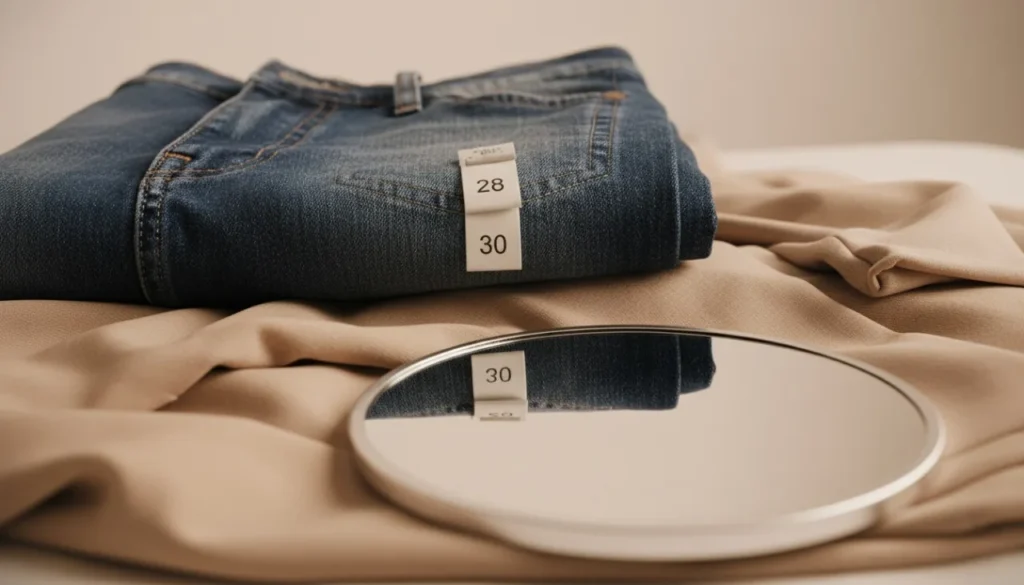
Some brands deliberately tweak their measurements to flatter shoppers, a tactic known as vanity sizing. A true size 30 waist might be labeled as a size 28 to create a psychological boost and encourage brand loyalty. While this can make you feel momentarily good, it adds another layer of confusion when comparing between brands.
This marketing trick often leads people to believe they’ve “gone down a size,” even when the actual garment measurements haven’t changed. It’s an emotional trap that reinforces the idea that smaller numbers equal worth or attractiveness. The truth is, every brand plays this game differently, which is why the tag can’t always be trusted.
Instead of attaching meaning to a number, try focusing on how you feel in the clothes you wear. Confidence doesn’t come from fitting into a smaller size. It comes from wearing something that makes you feel at ease and authentically yourself. When comfort becomes the goal, numbers lose their power.
5. Smart Shopping Strategies for Sizing
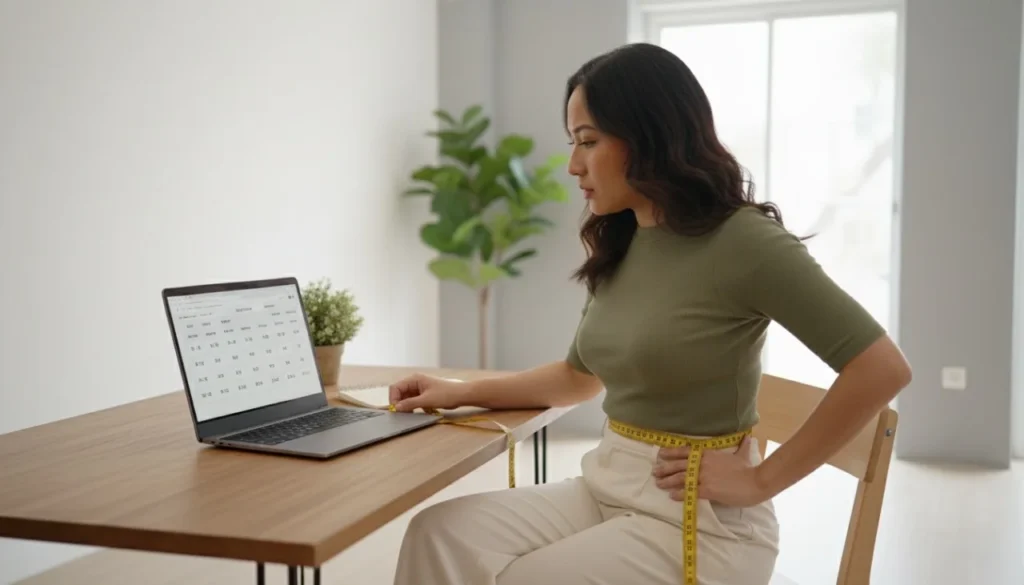
Navigating inconsistent sizing takes a bit of awareness and flexibility. Here are a few tried-and-true tips:
- Check the Size Chart: Especially for online shopping. Measurements matter more than labels.
- Know Your Measurements: Bust, waist, hip, and shoulder sizes are your best tools for comparison.
- Read Reviews: Many shoppers mention if an item runs small, large, or true to size.
- Try On When Possible: Even within the same brand, cuts and fabrics vary widely.
- Be Flexible: Don’t cling to a number. Prioritize how you feel in the clothes, not the tag.
Once you understand the patterns, you’ll start shopping with more confidence and fewer frustrations.
Final Thoughts
Clothing sizes were never meant to define you. They’re simply a guide that changes depending on who’s making the clothes and where they’re made. By knowing how brand origins, fabrics, and cuts influence fit, you can shop smarter and save yourself the stress of guessing.
When you stop chasing a “perfect” size and start focusing on comfort and confidence, fashion becomes easier, more enjoyable, and more you. Because in the end, your clothes should adjust to your life, not the other way around.

Find The Perfect Look!
Discover Stylish, Quality Clothing That Elevates Your Everyday Style

About the author
Meredith M. is a Senior Business Analyst in Metro Manila who spent over a decade as an accountant before switching careers. She loves singing with her band, exploring coffee shops with her business partner, and stress-testing her phone screen with endless fashion scrolling. Through this blog, she shares her love for fashion to empower women to express themselves with style, confidence, and authenticity.